BLUP MEETS: Cassiano Saldanha
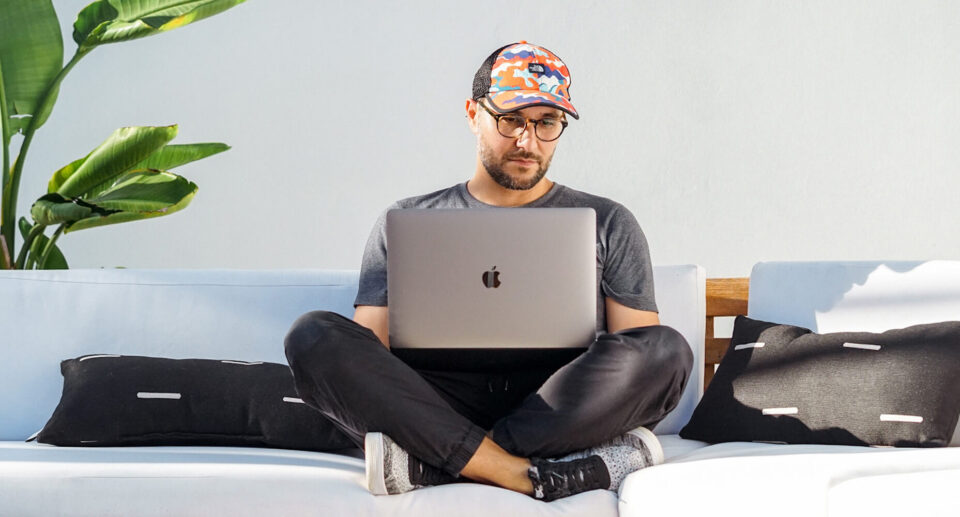
Cassiano Saldanha : Mastery Over Hype
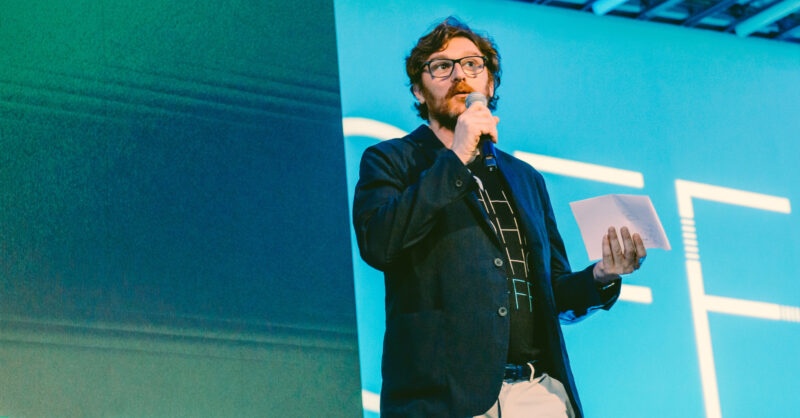
From Recife to São Paulo, California and Miami, Cassiano Saldanha has built a career driven by curiosity, craft and culture. Creative Lead at Apple for Latin America and US Hispanic Markets and Founder of SAL+Co and Creative Lead shaping experiences across regions, he believes in depth over shortcuts. In this BLUP Academy session, Cassiano shares honest lessons on staying curious, building mastery and designing a creative life that never stands still.

// Dines: Give us the quick origin story. How did you get started and what shaped your practice early on?
Cassiano: I studied industrial design and communications in Brazil and learned early that curiosity is a superpower. While studying, I freelanced for teachers, assisted a photographer, worked in editorial design, travelled the country creating content, and eventually started a small digital studio with friends. We quickly began working with real clients, which showed me how creativity and business constantly pull in different directions. I realised I cared more about ideas and craft than running the business side, so I focused on becoming better at my work. I’ve never been a strict specialist; I prefer exploring different fields and connecting the dots between them. That mindset helped me build relationships, gain perspective and find the kind of creative work that keeps me excited. My advice to young creatives is to stay curious, say yes to new experiences and learn across disciplines until you discover what truly drives your passion.
// Dines: You’ve lived and worked in Brazil, California and Miami. How did each place change your creative lens?
Cassiano: Every city taught me something different. Brazil gave me resilience and taught me how to create with limited resources. São Paulo was fast and competitive, forcing me to adapt quickly. California was a complete shift; it opened my mind to entrepreneurship, risk-taking and collaboration. There, creativity felt like a community sport, not a solo act. I learned to talk to strangers, test ideas fast and stay open to unexpected opportunities. Miami brought me back to warmth and connection, reminding me that culture and emotion are as important as design systems. The biggest lesson is that travel changes your perception.
You see new ways of living and working that stretch how you think. If you can’t travel, connect with creatives online, study other cultures and stay curious. The more you expose yourself to different perspectives, the richer your creative language becomes and the stronger your ideas will feel.

// Dines: What is the single lesson you want every young creative to learn early?
Cassiano: Mastery matters. Learn your tools, and learn them deeply. Today, creativity can look easy with all the apps, templates and AI tools available, but if you rely only on those, your work risks being surface level. Spend time practising. Study composition, storytelling and craft. Make mistakes and learn from them. When you understand how to build something from scratch, you can collaborate with confidence and defend your ideas with skill, not ego. The second part is self-discovery. Try many things when you’re starting out. Notice what makes time disappear and what fills you with energy. That’s your signal. Once you find it, double down and refine it until you become great at it.
Talent is really just time invested wisely. Mastery gives you freedom. It separates you from trends and helps you create work that lasts and connects with people on a deeper, more human level.
// Dines: How do you stay true to your instincts while serving a global audience?
Cassiano: Being true to yourself doesn’t mean being stubborn. Creativity is about balance. I always start with instinct, then test ideas against the purpose of the project. If an idea doesn’t serve the goal, I let it evolve. Design is collaboration, not competition. You need self-awareness to know when to push and when to listen. Feedback helps you sharpen ideas, not dilute them. When working for global audiences, I also check for cultural clarity. I ask if the message works universally or if it’s too local. My process is to protect the essence of the idea but stay flexible about how it’s executed. It’s about serving the work, not your ego. When you combine instinct with empathy, you create something authentic that resonates with people everywhere. The best ideas are the ones that grow through conversation, collaboration and the courage to let them change shape along the way.
// Dines: What changes would make the creative industry more inclusive and truly innovative?
Cassiano: I believe we need to slow down and value depth over speed. The pressure to post, publish and move fast often stops people from developing strong ideas. Creativity takes time to mature. Prototype, fail, adjust, and try again. Education and mentorship also need stronger connections to real industry experience. Students don’t just need software skills; they need access to professionals who give honest feedback and guidance. Inclusivity means creating spaces where all voices are heard and respected. It also means challenging the idea that creativity is only for a few. Collaboration across backgrounds brings richer perspectives and better ideas. The future of innovation depends on diversity, patience and craft. When young creatives learn to balance experimentation with mastery, they produce work that’s not just trendy but meaningful. That’s where true inclusivity and innovation live, inside communities that nurture skill, confidence and shared purpose.
// Dines: Outside client work, how does your personal practice feed your creativity and mindset?
Cassiano: My side projects are like oxygen. I build surfboards, craft wooden objects and design furniture. Working with physical materials teaches patience and precision. You can’t fake a chair that’s uncomfortable – it tells you immediately when something’s wrong. That honesty keeps me grounded. Whenever I feel stuck on a project, I step away and do something with my hands. It clears my head and gives me fresh perspective. I also set creative rules for myself: sketch at least two hundred times before building something or test five prototypes before committing to a final version. These limits train focus and discipline. My personal work fuels my professional creativity because it reminds me why I started…curiosity, play and problem solving. I tell every creative: keep a personal outlet. It’s where you rediscover your voice, challenge your habits and feed your imagination in ways that client work alone never can.