BLUP MEETS: Pep Salazar
Pep Salazar on Building OFFF: Risk, Community, and Creative Truth.
From Barcelona to the world, Pep Salazar has turned OFFF into a meeting of minds where ideas move people. He talks about building community without streaming, learning from fearless speakers, and protecting the festival DNA while staying open to change. For young creatives, this is a blueprint for risk, honesty, and making culture together. Arrive curious and leave with momentum.
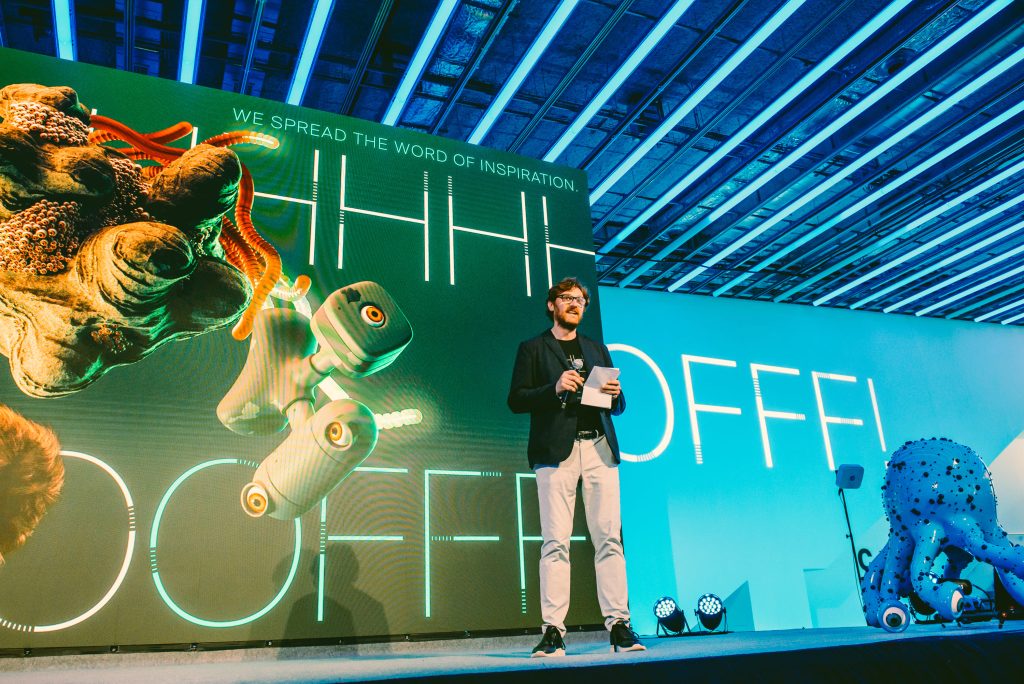
// Dines: OFFF started in Barcelona and now inspires creatives worldwide. How did a local gathering become a global movement?
Pep: OFFF was born global. In 2001 the internet was our stage, and the pioneers of web culture were scattered around the world. We connected those explorers and invited them to meet under one roof. Barcelona grounded us. The city is creative by nature, human in scale, international in spirit, and easy to live and work in. That balance shaped our path. We think locally about culture, craft, and hospitality, then open the doors to a worldwide network that has grown for twenty five years. Being online gave us reach. Being in Barcelona gave us soul. Together they created a movement, not just a conference. We are still loyal to both ideas. Curate for the city. Invite the world. Build a space where people arrive as strangers, share a moment, and leave as collaborators. That is how a local gathering becomes a global creative meeting. It starts local and travels everywhere.
// Dines: You have hosted many of the world’s leading creatives. What mindset from them still guides you today?
Pep: Hosting world leading creatives taught me one lesson that repeats. Take real risks. Every great talk carries that energy. Speakers jump into new tools before they feel safe, share work that is unfinished, or explain a decision that could have failed. Risk creates learning and momentum. It is not about reckless moves. It is about crossing the line where comfort ends and curiosity begins. If you feel that pull, honour it. Try the idea, ship the prototype, and learn in public. Audiences do not expect perfection.
They respect honesty and direction. The best minds show their process, their mistakes, and how they recovered. That transparency frees you to move again. So my mindset is simple. Follow the itch, protect the core, and accept uncertainty as tuition. When you choose growth over comfort, the room leans in and possibilities open. That is where new careers and cultures truly begin for many.
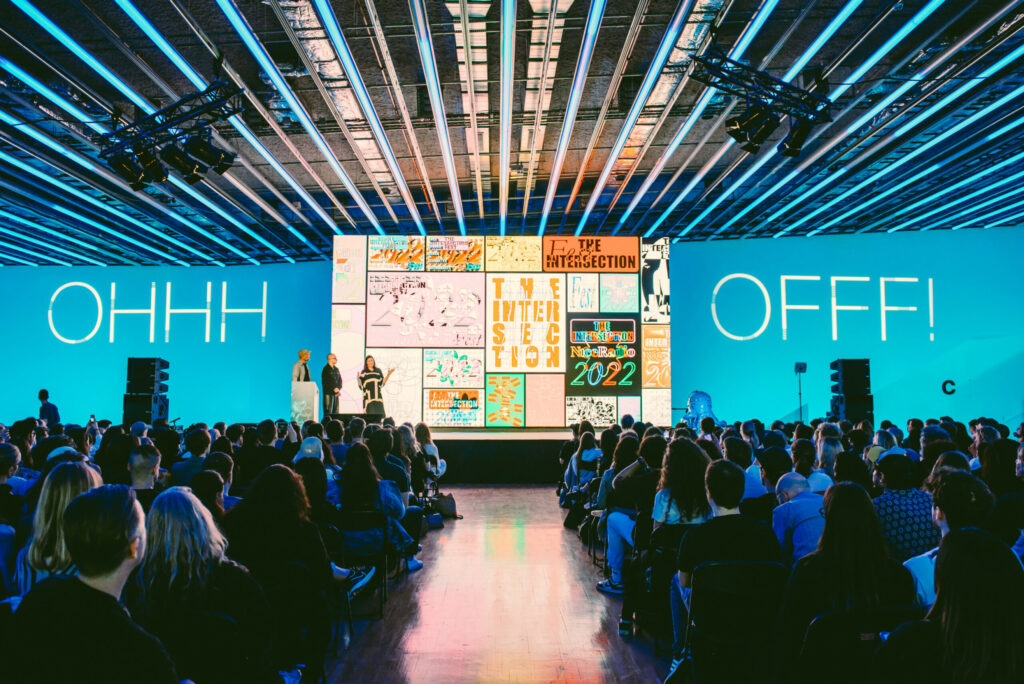
// Dines: OFFF is known for community. Why keep the festival live only, and how do you nurture the global audience?
Pep: Community is the heart of OFFF. Our rule is simple. Be together in real life. We choose not to stream the festival because the spark happens when people share space, meet by chance, and feel the same room shift. That choice is part of our DNA. At the same time our community is huge online. The balance is intentional. We design the live experience as the core, then speak to the world between editions with digital stories, highlights, and invitations.
The aim is connection, not endless content. One feeds the other. People discover us online, then book a ticket and step into the crowd. They return to the internet to follow friends, speakers, and new studios. Year after year that loop keeps the spirit alive. OFFF is a roof you gather under and a signal that travels. Arrive curious, stay present, leave changed, then bring someone back next time too.
// Dines: What has been the most unexpected challenge behind the scenes, and how did you overcome it?
Pep: Two long term challenges shape our decisions. First, protect the DNA for new generations. Many attendees were not online in 2001, so they did not live the moment when the web exploded and creative communities formed. We have to translate that spirit without becoming nostalgic. Second, hold the quality bar. OFFF is B to B to C with a professional audience that includes students who will be professionals in one to three years. Expectations are high across talks, workshops, exhibitions, campaigns, and production.
To overcome both challenges we plan early, program bravely, and keep listening. We ask speakers to show process rather than showreels, to teach rather than perform. We test ideas in smaller events, then scale what works. Most of all we stay honest about what we are here to do. Serve the audience, not the algorithm, and let curiosity lead curation, partners, and pace every single year forward.
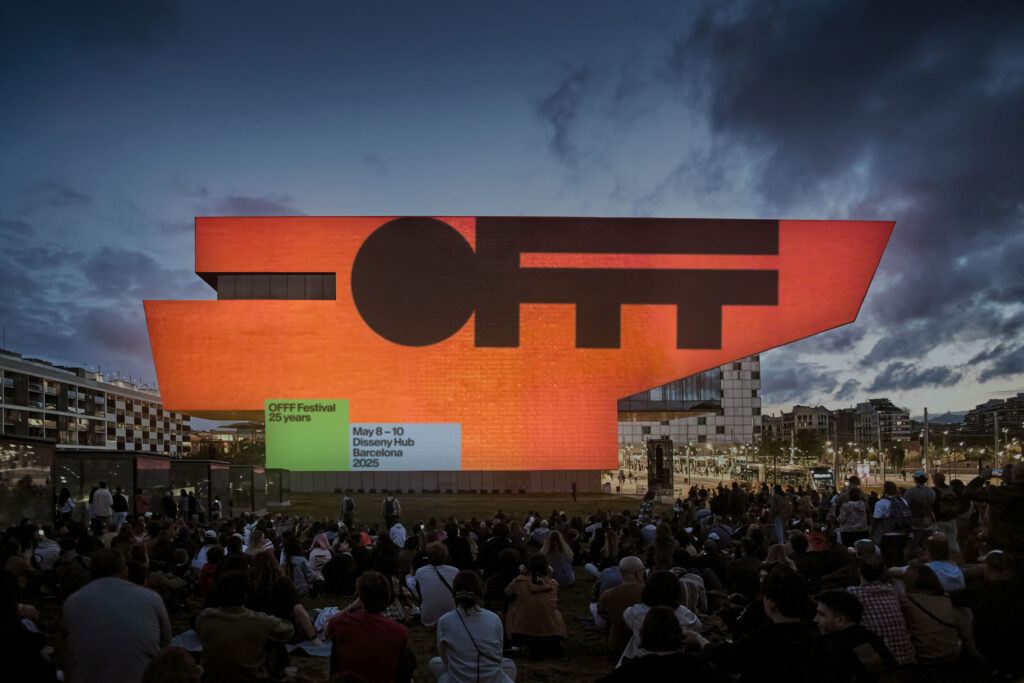
// Dines: How should creative festivals evolve over the next decade, and what changes would you like to see in the industry?
Pep: Creative festivals will stay local in flavour and global in connection. When we open in a new city we highlight its culture, people, and timing rather than copy Barcelona. Independence matters because it lets you turn quickly, take risks, and serve the audience before corporate interests. Music festivals have consolidated under major umbrellas. Design can choose a different path. The industry should widen its lens. We need more female voices on stage and more speakers from Africa and South America. We should welcome other disciplines like architecture, cuisine, and sound, because design now crosses spaces, senses, and systems. Tool choice should stay open, from open source to the big suites, so ideas lead. If we remain local and independent while expanding who gets heard, the next decade will be brave, human, and creative. That is the change I push for in programming, partnerships, education, and the everyday choices backstage everywhere.
// Dines: For young creatives hoping to take the OFFF stage, what should they focus on now to truly stand out?
Pep: Be yourself with precision. The internet reveals everything, so authenticity is visible. Do not copy the look of the week. Show your point of view and how you reached it. If you speak early in your journey, lean into process. People want to see sketches, tests, failures, and the path from A to B. Results matter, but reflection teaches more. Young creatives move fast, which is powerful energy. Balance it with time to think. What did you decide. Why did it work. How will you evolve it next.
Take risks without selling your core. Be clear about your influences and your culture. Invite the audience into your method, not just your highlight reel. Do that in your portfolio, your socials, and your talk. You will stand out because honesty and curiosity travel farther than polish. We feel it immediately on stage, and the community will remember your name for years.