BLUP MEETS: Ru (BOSS)
Create Your Own Path: Ruana Di Marco on Leadership, E-commerce and Staying Ahead
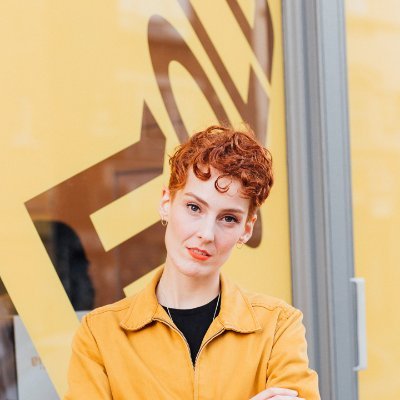
Ruana Di Marco leads Global eCommerce Marketing at HUGO BOSS. From early temp roles to steering international teams, she has built a career on curiosity, grit and customer obsession. In this BLUP MEETS, Ru shares practical leadership lessons, how to spot the next shift before it lands, and why authenticity beats ego. Straight talk for young creatives ready to level up.

// Dines: You’ve led eCommerce marketing for some of the biggest luxury brands. What’s one mindset shift that helped you move from executing ideas to leading teams and shaping strategy?
Ru: I worked my way up from admin roles to leading teams, so my instinct was to hold everything tightly and deliver to my personal standard. The breakthrough came when I truly let go. Leadership is not doing more. It is creating the conditions for others to do their best work.
That meant trusting my team, accepting that their route may differ from mine, and coaching through misses rather than grabbing the wheel. I shifted my measure of success from my outputs to our outcomes. I learned to protect focus with clear priorities, remove blockers fast, and champion my team’s wins in every room. Early on at BOSS I wanted to dive back into execution. The role demanded something else. I learned to love the craft of alignment, clarity and momentum. Now my biggest buzz is watching people grow into problems they once thought were too big.
// Dines: In such a fast-moving digital landscape, how do you stay ahead of trends and ensure your team remains innovative, not reactive?
Ru: We start with the customer, not the trend. Social listening, on-site behaviour and direct feedback tell us what people value, where they struggle and the speed they expect. Then we scan adjacent categories. My beauty background and a constant eye on technology help me borrow ideas from outside fashion and translate them into our world. We benchmark competitors weekly, but we do not copy. We ask what problem a “trend” actually solves and whether it fits our brand and customer journey. To keep the team innovative, I set space for exploration with tight decision windows.
Curiosity days are encouraged, but every idea must answer the question, “So what?” What action will the customer take, and how will we know? Finally, we document learnings in simple playbooks. When the next wave arrives, we have principles to decide fast, experiment small, and scale only what moves the needle.
// Dines: You’ve spoken about “creating your own path.” What does that mean in a corporate environment, and how can young creatives carve out their individuality within big organisations?
Ru: I began as a temp, so I learned early to find the gap and fill it. Your path appears where your passion meets a business need. Be willing to do the unglamorous work, then bring a point of view that makes things better. I shaped roles that did not formally exist by solving problems consistently and showing the value in plain numbers. Authenticity matters.
If you are excited by a direction, people feel it and come with you. Keep asking, “What is next?” Never settle for today’s version when tomorrow needs a new one. That attitude makes you indispensable because you bring momentum, not maintenance. Build allies by sharing credit, documenting wins, and making your manager’s life easier. Most importantly, keep developing range. The wider your understanding of customer, brand, content and performance, the more doors open. Paths are rarely offered. They are made by walking.
// Dines: Collaboration across global teams can be challenging. What’s your approach to building trust and creativity within diverse, international teams?
Ru: Trust starts when you show up as yourself. I am comfortable saying, “I do not know yet.” People sense honesty, and it lowers the temperature in hard conversations. In a global house like BOSS you work across cultures, ages and styles. I invest time to understand context before I push for change. I am clear on outcomes, flexible on approach. I keep credit public and feedback private. I make decisions visible with simple documents that state the problem, customer insight, options and the recommendation.
That transparency invites better ideas and prevents politics. I schedule regular “demo and discuss” sessions so teams can share progress early, not just the final. Creativity grows when people feel safe to show the messy middle. Finally, I spend time with senior stakeholders. Being in the room teaches you how strategy is shaped, and it helps your team align to what actually matters.
// Dines: From P&G to Coty and now Hugo Boss – what’s one career lesson that’s shaped how you lead today?
Ru: Passion sustains discipline. Leadership is heavy at times. It involves difficult trade-offs, long meetings and accountability for outcomes you do not directly produce. What keeps me energised is belief in the mission and belief in the people around me. When I moved from beauty in the UK to fashion in Germany, I felt like a beginner again. That humility helped me learn faster. I also learned to “play the game” without losing myself. Build relationships up, across and down. Share progress openly. Ask for decisions rather than waiting for perfect alignment.
Most of all, measure yourself by the strength of your team. My role is to set direction, create clarity, and remove friction so others can fly. If they grow, the business grows, and so do you. Bring your A-game daily, keep learning, and remember that consistency over time beats occasional brilliance.
// Dines: For young creatives looking to break into eCommerce and digital marketing, what key skills or behaviours will set them apart in the next five years?
Ru: Start with customer understanding. Know who you serve, how they browse, why they bounce, and what triggers action. Build a barometer for good by studying the best on the web and asking, “Would I tolerate this experience?” Pair that with range. Develop literacy across content, UX, data, media and merchandising so you can connect dots others miss. Be comfortable with change. What worked last quarter may not work next year. Treat everything as a test, capture the learning, and move on. Learn to quantify value. If you pitch an idea, state the expected outcome and how you will measure it.
Communicate clearly in writing. It gets you invited into bigger rooms. Finally, be proactive. Roles evolve fast. If you see a gap, design a solution and rally people around it. Vision plus openness beats perfection. Bring curiosity, courage and a genuine desire to make the experience better.