BLUP MEETS: Sean Thomas
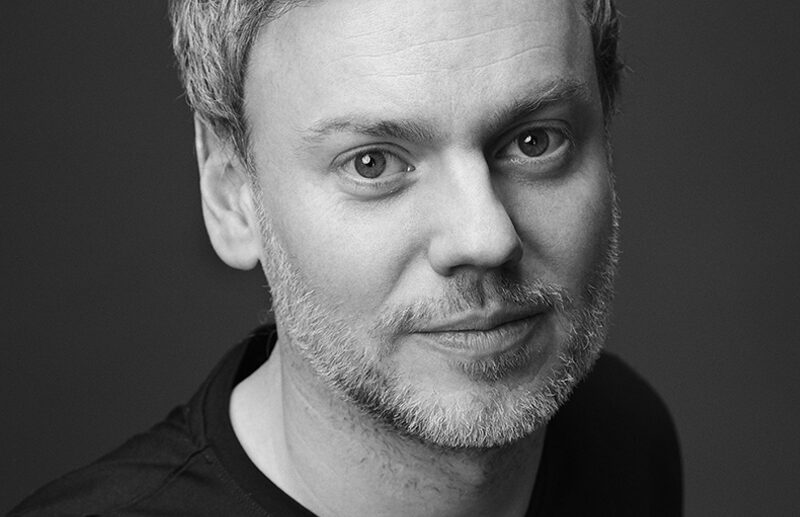
Sean Thomas on Idea Power, Culture, and Building the Next Wave
From Norwich School of Art to Global Executive Creative Director at Jones Knowles Ritchie, Sean Thomas has championed bold, useful ideas for brands like Budweiser, Domino’s and Stella Artois. Beyond the studio, he backs new talent through talks and SPARKS, and writes about gaming’s next big moves. Here he shares straight, practical advice for young creatives shaping tomorrow.
// Dines: How can young creatives find their signature idea or style?
Sean: Start by falling in love with ideas, not aesthetics. Trends fade. An idea endures because it solves something human and moves culture forward. Before you touch software, sit with the brief and write ten different routes. Ask which one could make someone say, I wish I did that. Test it against three lenses: truth to the brand, relevance to culture, and ability to scale across channels. If it breaks under any lens, keep digging. Build a scrapbook of sparks from films, games, album art, street signs, and communities. Label why each spark works. Then prototype fast. A rough storyboard beats a perfect mock when thinking is strong. Share early with people unlike you. If they can retell the idea, you are close. Finally, protect the idea through craft. Typography, colour and motion should amplify the thought, not hide it. Your signature style is the pattern behind the ideas you choose.
// Dines: What moment shaped your creative voice and approach to branding?
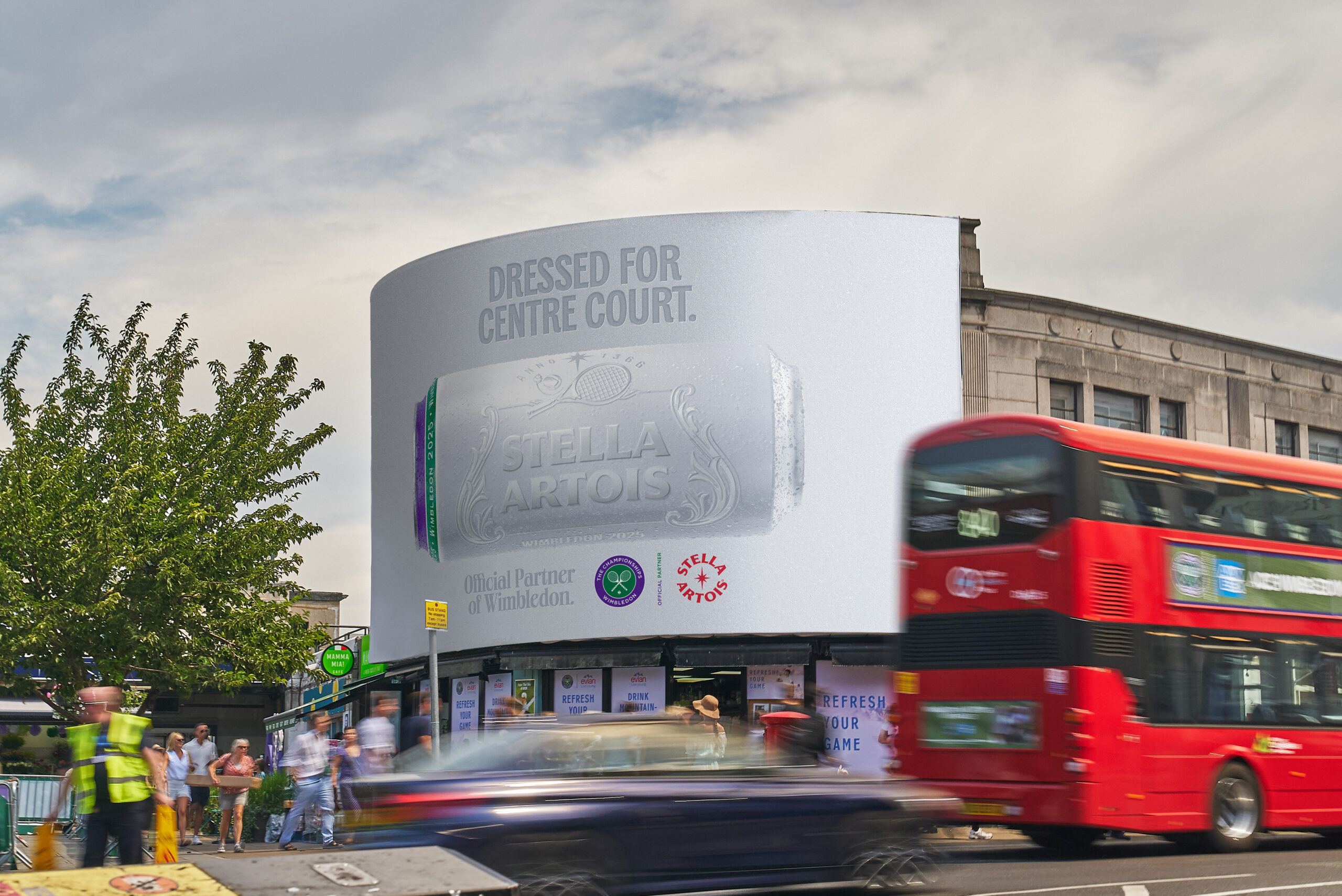
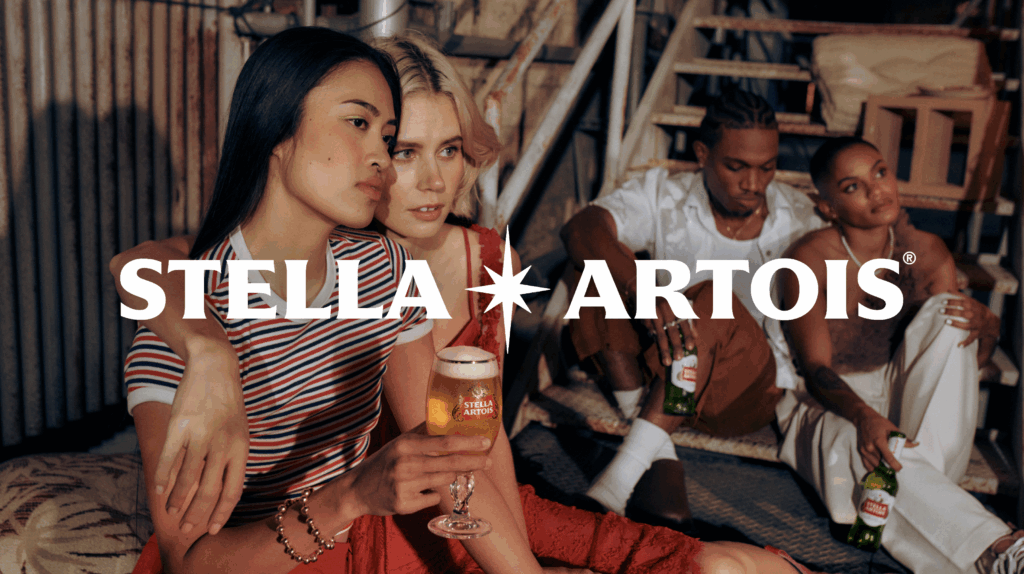
Sean: There was no single lightning bolt. The closest was Stella Artois. The brand was struggling and the ad agency seat was empty, so we had to roll up sleeves and live inside the business. We met trade teams, saw sales by can, bottle and draught, and mapped where brand love existed versus where money was actually made. It forced a shift from decorating to diagnosing. Why show bottles everywhere if cans drive volume. From that depth came braver, simpler moves like the Wimbledon white can and sharper behaviours across channels. I learned that creative voice is not a Photoshop filter. It is the discipline to chase the truth of a brand until the idea becomes obvious and inevitable. Since then I start every project with three questions: what really moves the numbers, where does culture already meet the brand, and how can design make that meeting feel effortless and smart.
// Dines: What needs to change in how the industry discovers and nurtures new talent?
Sean: Right now the model skews senior and freelance. Hybrid working means fewer juniors beside someone great, soaking up the craft and tempo of a studio. The result is slower development and fewer opportunities at entry level. We have been guilty of it too. What needs to change. First, studios must commit to structured learning sprints for grads, with real briefs, mentors and measurable outcomes. Second, universities should update courses with brand systems, motion, AI literacy and platform thinking, not just posters. Third, paid placements must be normal, not exceptional. Finally, networks like SPARKS should widen the pipeline for school leavers who cannot self fund years in London. For young creatives, do not wait for perfect conditions. Build a proactive rhythm. Enter briefs, collaborate across disciplines, show your process. When a studio does have a role, the people we remember are those who kept learning and stayed visible front of mind.
// Dines: How do you keep your creative edge while working with global brands?
Sean: Working with global brands is not selling out. It is learning to make big ideas work at scale. Keep your edge by anchoring the thinking in a sharp cultural truth, then express it with restraint. Bring something the senior team does not have yet. That might be fluency in platforms, a feel for meme language, or the ability to prototype motion quickly. Use AI to cover weaknesses and unlock speed, not to replace your taste. Outside the day job, keep a self initiated project alive. It becomes your playground for risk and it stops your portfolio being only case studies. Share work in progress and thinking in public. The more you can articulate the idea, the more senior teams will trust you with the bigger moves. Finally, remember craft follows clarity. If the thought is strong, the simplest design is often the bravest choice and the one that really lasts.
// Dines: How should creatives use cultural storytelling to make brands feel human?
Sean: The best cultural work feels effortless. You look at it and think, of course. That feeling comes from respecting the brand’s truth and the community you want to speak with. Do not slap a logo on a moment. Ask how your idea adds value to the culture around it, not just brand metrics. Find the overlapping circle where brand meaning and community meaning meet. Then design behaviours, not just assets. If you are collaborating with gaming, build from gameplay or streamer rituals. If you are entering fashion, understand the scene’s timelines, gatekeepers and language. Inside a studio, assemble an internal community who live the culture you are touching. Let them stress test tone, references and timing before anything leaves the room. When it works, both sides win. The brand earns relevance. The community sees itself reflected with respect. That is how work becomes shareable without smelling like marketing.
// Dines: What shifts do you want to see in the next five years, and how should Gen Z lead?
Sean: We are heading into a generalist era. Ad agencies, brand studios and in house teams are converging, while AI accelerates everything. Some will cross their arms and refuse to adapt. They will drift. The opportunity is to stay curious, use tools to cover weaknesses and become faster at turning insight into shippable work. Learn strategy, motion, systems and platform craft. Learn how brands really make money. Pick a specialism you love, but keep broad skills sharp so you can move between briefs and disciplines. Treat AI as a collaborator. Let it help with storyboards, references and variations while you set the bar for taste and truth. Build muscles for explaining ideas clearly, not just polishing deliverables. For the next generation, the advantage is cultural fluency and willingness to experiment in public. Bring that energy into teams and you will shape the work everywhere, not wait for permission to contribute today.