BLUP MEETS Sam Mensa
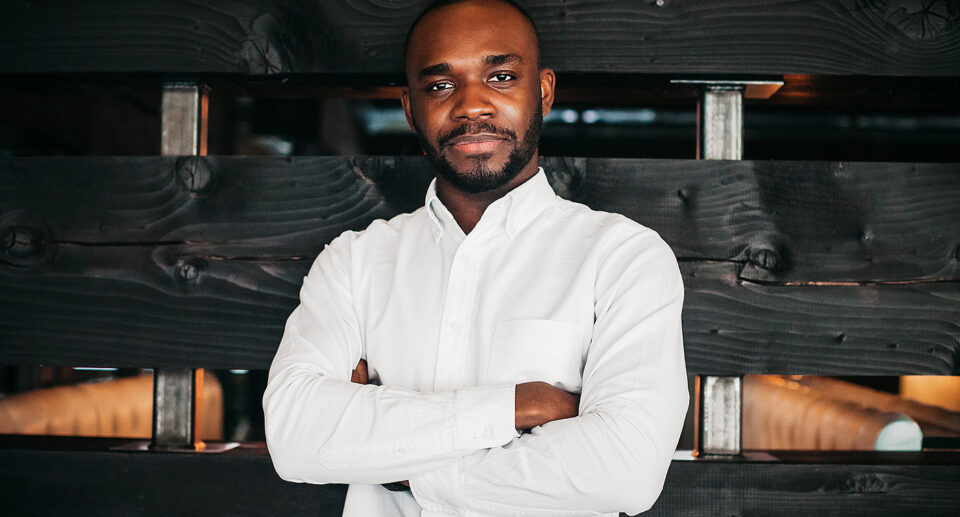
Sam Mensa – Designing the Future with Ai
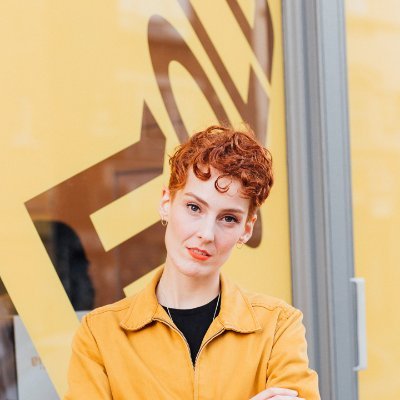
Sam Mensa has spent nearly two decades shaping culture through design, from working with Nike and Chelsea FC to leading creative innovation at Microsoft AI. His journey is proof that creativity, when paired with technology, can spark limitless possibilities. In this BLUP:MEETS, Sam shares insights on AI, simplicity, and how young creatives can future-proof their craft.
// Dines: Tell us a little bit about yourself…
Sam: I describe myself simply as a creative. Over the past 15–20 years I’ve worked across design, branding, photography, video and even music in my early days. For me creativity has always been about curiosity – exploring different mediums, solving problems and making ideas real. Along the way I’ve been lucky enough to collaborate with global brands like AKQA, Nike, McKinsey, Chelsea FC and Virgin.
During the pandemic I made the move to Microsoft. The opportunity came unexpectedly, but what drew me in was the focus on education and learning. I’ve always been passionate about knowledge-sharing and mentoring the next generation, so contributing to tools that empower people to learn felt like the right path. Nearly five years later, I’ve worked across different teams and projects, but what excites me most is that I still feel like I’m only scratching the surface of the impact I can make.
// Dines: What’s the most exciting part about designing for AI right now?
Sam: The most exciting part about working with AI is how it expands what’s possible for creatives. In the past, tools like Photoshop and Figma gave us ways to turn ideas into visuals faster than ever before. AI is the next evolution. It takes care of the repetitive and time-consuming parts of the process – research, notes, data gathering, testing – and frees us to focus on the bigger picture.
This means we can spend more energy on dreaming up ambitious ideas, storytelling, and concepts that push culture forward. AI isn’t here to do the creative work for us; it’s here to accelerate our imagination. It allows us to focus less on the grind and more on the vision. That shift is what excites me most: it empowers creatives to think bolder, to act quicker, and to make ideas that once felt impossible feel completely within reach.

// Dines: What is one thing every creator should understand about working with tech?
Sam: The biggest thing I’ve learned is that tech is only as powerful as the human story behind it. It’s easy to get caught up in the tools – whether that’s coding, apps, social platforms or AI – and forget that they all exist to serve people. Every breakthrough product we celebrate only matters because it connects to human needs, desires and behaviours.
For any creative working with tech, I would say: always keep people at the centre of your design process. Empathy is the secret ingredient. When you design for connection, for understanding and for accessibility, you create work that resonates far beyond the technical features. Technology should be the engine, not the destination. What matters most is how your work makes someone feel, how it makes their life easier, or how it sparks new ideas. Keep the human side first and the tech will follow naturally.
// Dines: How do you turn complex problems into simple, user-friendly solutions?
Sam: For me, simplicity is the ultimate goal. When I’m designing, I imagine I’m creating something that both a Silicon Valley engineer and someone’s grandmother in North London could understand and use without effort. If I can achieve that level of clarity, then the solution works.
I approach every project by stripping down the complexity while still keeping the experience engaging and beautiful. It’s about balance – removing unnecessary barriers while ensuring the product is still interesting and inspiring. Accessibility plays a huge part in this too. A good design should work for everyone, regardless of age, ability or background.
The way I do this is by putting myself in the user’s shoes. I ask: how would this make life easier for me, for my family, for my kids? That empathy helps guide me to create solutions that are not only functional but also human, simple and impactful.
// Dines: What is your biggest takeaway from working at Microsoft AI?
Sam: My biggest takeaway is that AI is not the enemy of creativity – it’s one of our greatest allies. Like many people, I was sceptical at first. I wondered if AI might replace creative jobs. But over time, I’ve realised it’s simply the most powerful tool of our generation. It allows us to bring ideas to life at incredible speed. I’ve designed websites, courses and even books with its help.
What matters is how we use it. The creatives who will thrive are the ones who bring a perspective, a vision and a uniqueness that AI alone cannot provide. AI is like fire – it can be destructive if used carelessly, but when harnessed with purpose it can cook food, give warmth and build communities.
We’re still at the very beginning. In the next five years, AI will transform industries. It should push all of us to elevate our creativity.
Dines: What advice would you give young designers to future-proof their creativity?
Sam: The new generation of designers has opportunities we could only dream of. You can code websites in minutes, manipulate visuals instantly and experiment with ideas at lightning speed. My advice is to embrace all of it. Go hard with the tools, push them, test them, make them part of your creative process.
But remember, tools are not enough. To stand out you need your own vision, your own style and your own perspective on the world. That individuality is what makes creativity timeless. Use AI as your sketchbook – a place to test ideas, remix concepts and explore. But never lose sight of your unique voice.
Future-proofing your creativity means blending the best of both worlds. Master the latest tools, but also cultivate a perspective that’s yours alone. When you combine technology with authenticity, you’ll always stay ahead of the game.
Closing Note
Tools come and go. Vision stays. For Sam Mensah, the future of creativity is not about competing with AI, it is about using it to dream louder, design smarter and keep humanity at the centre of it all.